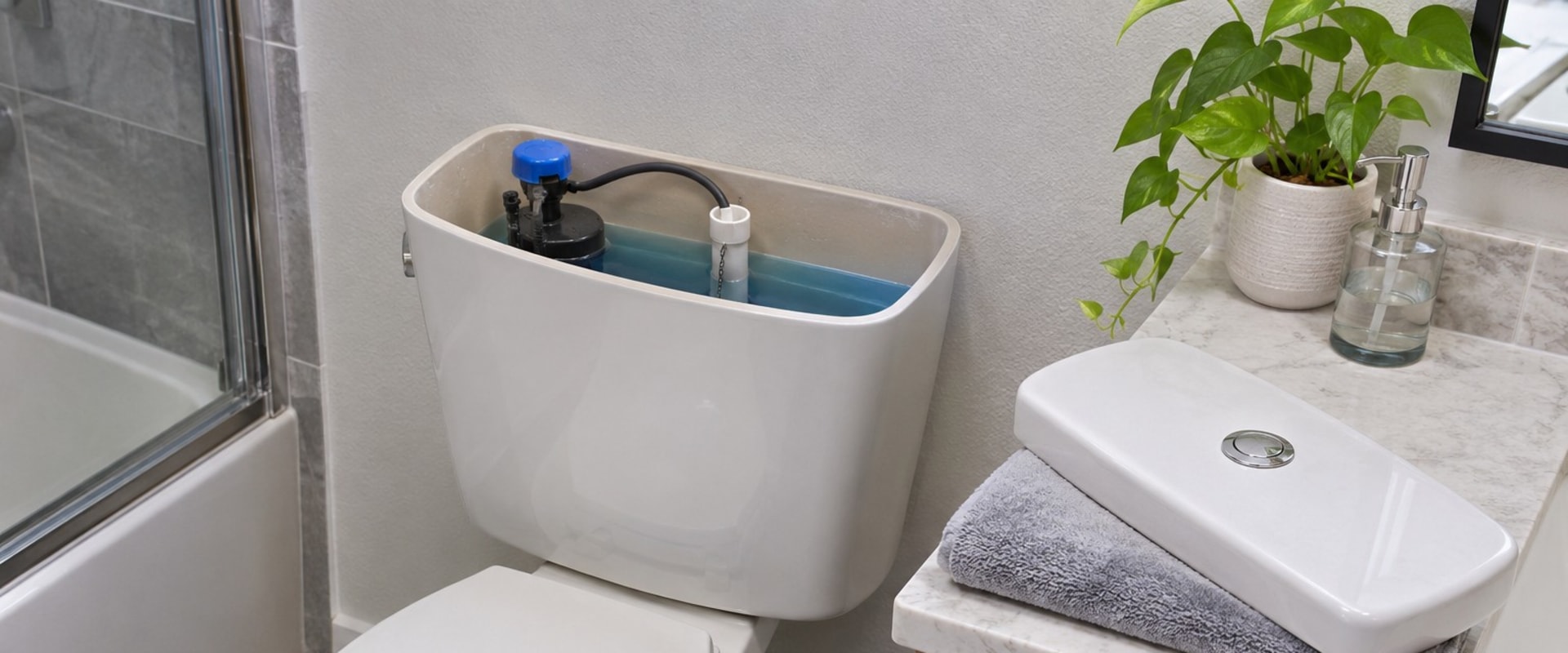
A toilet can send water from its tank into the bowl without making enough noise to attract attention. A brief dye check gives you a way to look for that movement. It is especially useful when the toilet occasionally refills even though nobody has used it.
Watch the bowl without flushing
For a conventional toilet with an accessible tank, carefully lift off the lid and place it on a stable, protected surface. Add a small amount of food coloring to the tank water. Leave the toilet unused and watch the bowl for ten minutes. The EPA’s WaterSense leak-check guidance explains that color reaching the bowl during that period indicates a leak. Flush after the check to clear the coloring and avoid leaving it on surfaces.
Record the result before buying parts
Note whether color appeared, how soon you noticed it and whether the toilet refilled during the test. Take a photograph of the model information where it is accessible. A worn flapper is one possible cause, but the result alone does not identify every component that may need attention. Different flush mechanisms use different replacement parts.
If you arrange a repair, give the plumber the observations and model details. Repeat the check after the repair to see whether the leak has stopped. Water on the floor or visible dripping outside the tank needs its own investigation. For a separate issue such as slow drainage, see our drain maintenance guidance.


